Why Sustainable Art Is Having Its Moment: Trends, Values & What It Means for Collectors
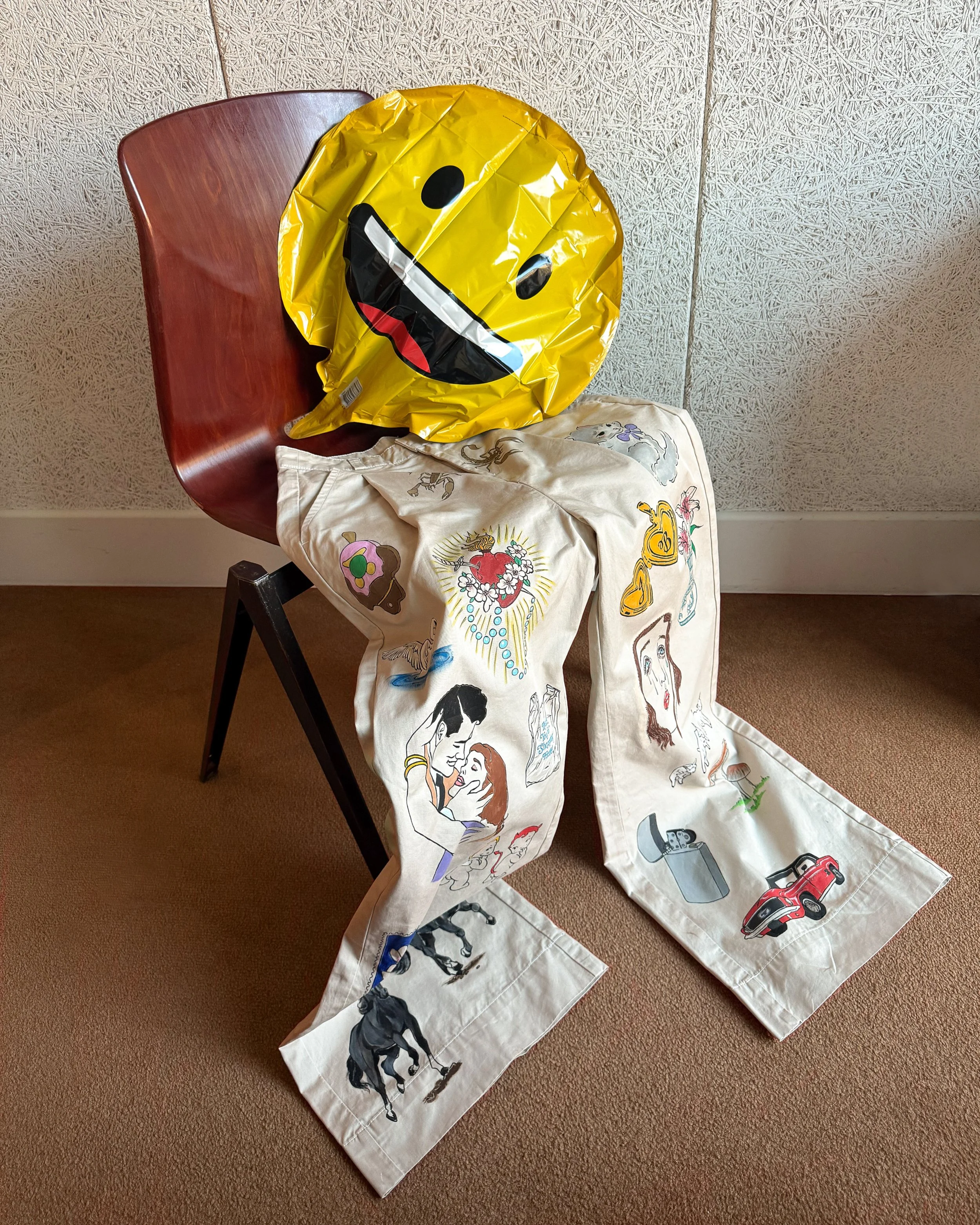
There’s an almost electric shift happening in the art world. Collectors, enthusiasts, and creatives alike are turning their gaze not just toward what is beautiful - but toward what is responsible. Sustainable art is no longer whispered about in corners; it’s front row, center stage. Here’s a look at why this wave is rising - what people are drawn to, why it matters, and where the momentum is going.
The Allure of Art With Purpose
Why are more people choosing sustainable art today?
Values meet aesthetics. Collectors are increasingly aligning their purchasing choices with their personal beliefs. Art pieces created with ethical sourcing, low environmental impact materials, or a clear narrative about sustainability resonate more deeply. It’s about beauty and integrity.
Demand for transparency. Shoppers are curious, informed, and skeptical of mere greenwashing. Provenance, material origin, craft process - these are not afterthoughts, but core aspects people want disclosed.
Willingness to invest. Data supports this: for instance, one study noted that 68% of art collectors prefer purchasing artwork from environmentally responsible artists, and 72% of art buyers are willing to pay more for art created sustainably.
Cultural zeitgeist. With climate anxiety, social justice awareness, and media coverage of environmental issues, art becomes one way to respond - to express, reflect, challenge. Collectors see art not only as decoration but as dialogue.
Why It Matters
Beyond trends, sustainable art carries genuine importance - for culture, for environment, for the future.
Reduced environmental footprint. From reducing waste, choosing non-toxic materials, using recycled or upcycled supply chains, to thinking about packaging and transport - sustainable art practices can meaningfully decrease harm.
Longevity & integrity. When artists use materials with greater durability, or those that are safe and stable, artworks are more likely to endure - both physically and in value. People want pieces that will age well, not degrade or require constant, unsustainable upkeep.
Social & ethical justice. Sustainability in art isn’t only ecological. It often goes hand in hand with fair labour, local sourcing, supporting marginalised voices and communities. This gives artworks a double life - aesthetic and ethical.
Shaping culture. Art has always held space for change. Sustainable art signals new priorities: that creation does not justify destruction, that beauty doesn’t demand waste. It challenges what “luxury” means. In many ways, it redefines luxury as responsible, considered, and lasting.
Key Trends in Sustainable Art (2025)
What are people (artists, collectors, galleries) actually doing now? These are the observable currents shaping the movement:
Trends:
Recycled / Upcycled Materials
Artworks made from repurposed metals, plastics, fabrics; found objects; materials rescued from waste streams. These pieces often carry texture, history, and novelty.
Eco-Conscious Techniques & Materials
Use of natural pigments, biodegradable canvases or supports, low-VOC finishes, sustainably harvested and low-impact fibres. Studios are also adopting zero-waste or low-waste practices.
Transparency & Ethics
Artists who share their supply chains; galleries that label or publish environmental impact; collectors asking questions about carbon footprint, material sourcing.
Digital & Hybrid Forms
Virtual exhibitions, augmented reality, digital art, or works that combine physical and digital elements to reduce material consumption or experiment with new forms.
Younger Collectors & Personal Relevance
Younger generations demanding meaning in their homes and lives; collectors who want art that reflects their environmental concerns, social values, or identity. Art is increasingly seen as a medium for personal expression and activism.
What This Means Moving Forward
Sustainable art’s rise signals more than a trend - it shows how culture, aesthetics, and ethics are entwining. As this movement grows:
Collectors will expect more detailed information from artists about material sourcing, production impacts, and environmental cost.
The market for sustainable art supplies, eco-friendly packaging, and “green certification” practices will continue expanding.
Artists who integrate sustainability thoughtfully into both concept and practice are likely to find stronger connection, deeper resonance, and possibly more longevity in their work.
Homes, galleries, and institutions will increasingly balance visual impact with ecological footprint - choosing works that honour both values and vanities.
Closing Reflection
There’s a beauty in that turning point: when art becomes more than what hangs on a wall or sits on a shelf. When it carries intention. When it speaks not only of colours and forms, but of care, responsibility, and connection. That’s what sustainable art offers: a chance to own not just an object, but a vision of what’s possible - beauty that doesn’t cost the planet, but enriches it.
For those who collect with heart and vision: discover original artworks that captivate, inspire, and elevate any space below…